Most people deal with serious water damage once or twice in their lives, so a lot of what they know comes from neighbors, the internet or a previous house. Some of it is right. Some of it costs money. Here are nine beliefs that come up often, and what's actually true.
Myth 1: If it looks dry, it's dry.
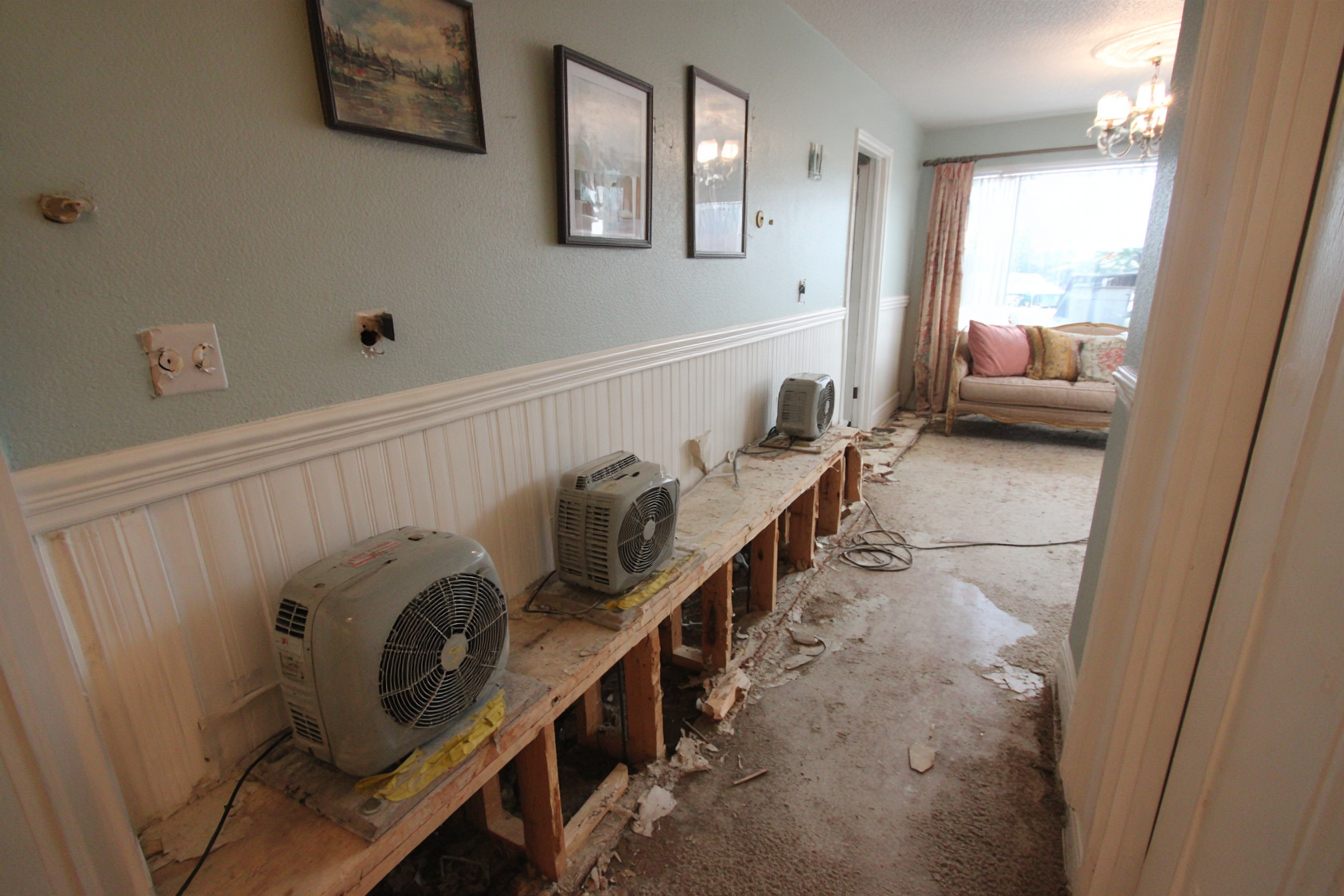
Fact: Surfaces dry first. Drywall can feel dry while its core is still damp. Carpet can feel dry while the pad underneath is soaked. Hardwood can look flat while the subfloor is wet. The only reliable test is a moisture reading compared with a dry part of the same house. That's why restoration companies take readings every visit and stop only when the numbers match.
Myth 2: Fans and a shop vac will handle it.
Fact: A shop vac pulls surface water. Fans move air across a surface. Neither removes moisture from the building. Without a dehumidifier, the moisture that evaporates just settles into the next cool surface: another wall, the ceiling, the closet. Professional drying pairs air movers with dehumidifiers and uses readings to know where to aim them.
Myth 3: It can wait until Monday.
Fact: Water keeps working while you wait. Drywall wicks it upward. Laminate and particleboard swell. Clean water from a supply line picks up contaminants as it sits and starts being treated like gray water. A weekend can turn a drying job into a removal-and-rebuild job. Waiting is usually the most expensive choice.
Myth 4: Homeowners insurance covers any water damage.
Fact: It usually covers sudden, accidental water from inside, like a burst pipe or a failed hose. It usually excludes river flooding and surface water, which need a separate flood policy, and often excludes slow leaks that ran for weeks. In Renton, where the Cedar River and valley ponding are real risks, that difference matters. See flood vs. homeowners insurance.
Myth 5: Wet carpet always has to be thrown out.
Fact: Not always. After clean water, caught early, carpet can sometimes be dried in place and relaid, with only the pad replaced. After gray or flood water, or after it's sat for days, it usually goes. The source and the timing decide, not the fact that it got wet.
Myth 6: Bleach takes care of it.
Fact: Bleach on a surface doesn't reach water inside a wall, under a floor or in a crawl space, and it isn't a substitute for removing contaminated porous material after a flood. Restoration companies clean hard surfaces with appropriate products and remove what can't be cleaned. Mixing bleach with other cleaners can also produce dangerous fumes.
Myth 7: A water stain on the ceiling is old news once it stops dripping.
Fact: A stain means the drywall got wet, and usually the framing and insulation above it too. Insulation holds water against the ceiling for days. If the source upstairs was a bathroom or laundry room, the subfloor up there is wet as well. A moisture meter on the ceiling and readings from above tell you whether it's still wet inside.
Myth 8: The restoration company works for the insurance company.
Fact: You hire the restoration company, even when insurance is paying. Insurers may suggest companies, but in most cases the choice is yours. The company should explain its scope to you, give you copies of its readings and photos, and answer your questions before you sign anything. How to check one: how to check a Washington contractor.
Myth 9: Once the drywall is replaced, the problem is gone.
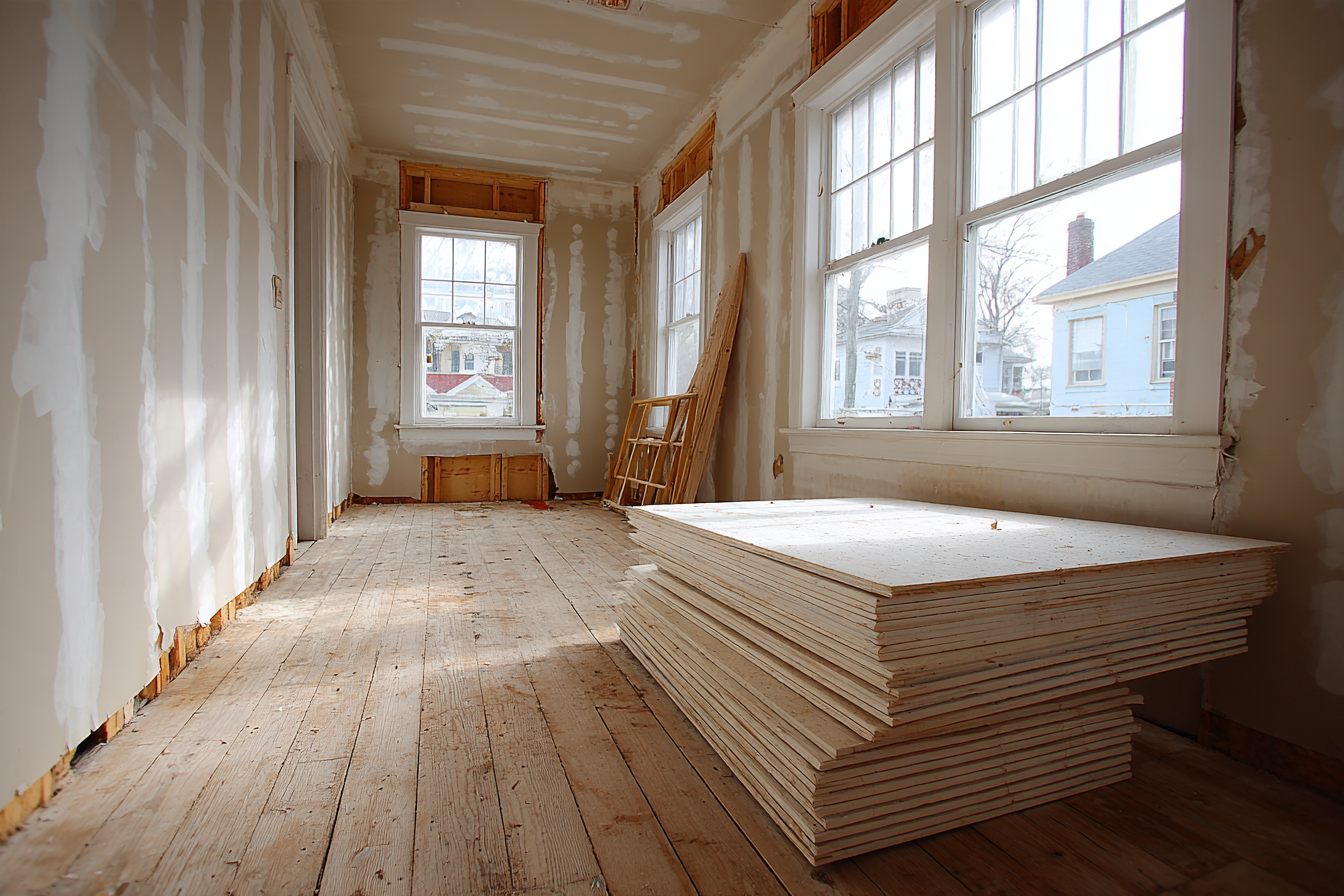
Fact: Only if what was behind it was dry. New drywall hung over a wet stud or a damp bottom plate traps the moisture, and the problem comes back as a stain, a smell or peeling paint. That's why a good restoration company won't close a wall until readings say it's ready, and why you should ask to see them.
A Few Things That Are True
- Shutting off water at the main quickly limits damage more than anything else you can do.
- Photos before anything is moved help every kind of claim.
- Drying takes as long as the readings say, not a fixed number of days.
- The cause, inside or outside water, decides both the cleanup and the insurance.
Questions
What's the biggest mistake people make?
Waiting. Second is tearing things out by hand before anything is photographed or measured.
Should I pull up wet carpet myself?
Generally no. Soaked carpet tears, and pulling it can decide whether it's saveable. Move your belongings and let the crew handle the flooring.
Around Renton
These come up everywhere, from older homes in Kennydale and Bryn Mawr-Skyway to newer ones in Newcastle. The work itself: water mitigation & drying.
Mitigation, Restoration, Repair: The Words on Your Bill
A plain glossary of the terms on a water damage invoice.
What the Restoration Company Will Ask You
A short checklist so the first call goes quickly.