What Water Damage Restoration Covers
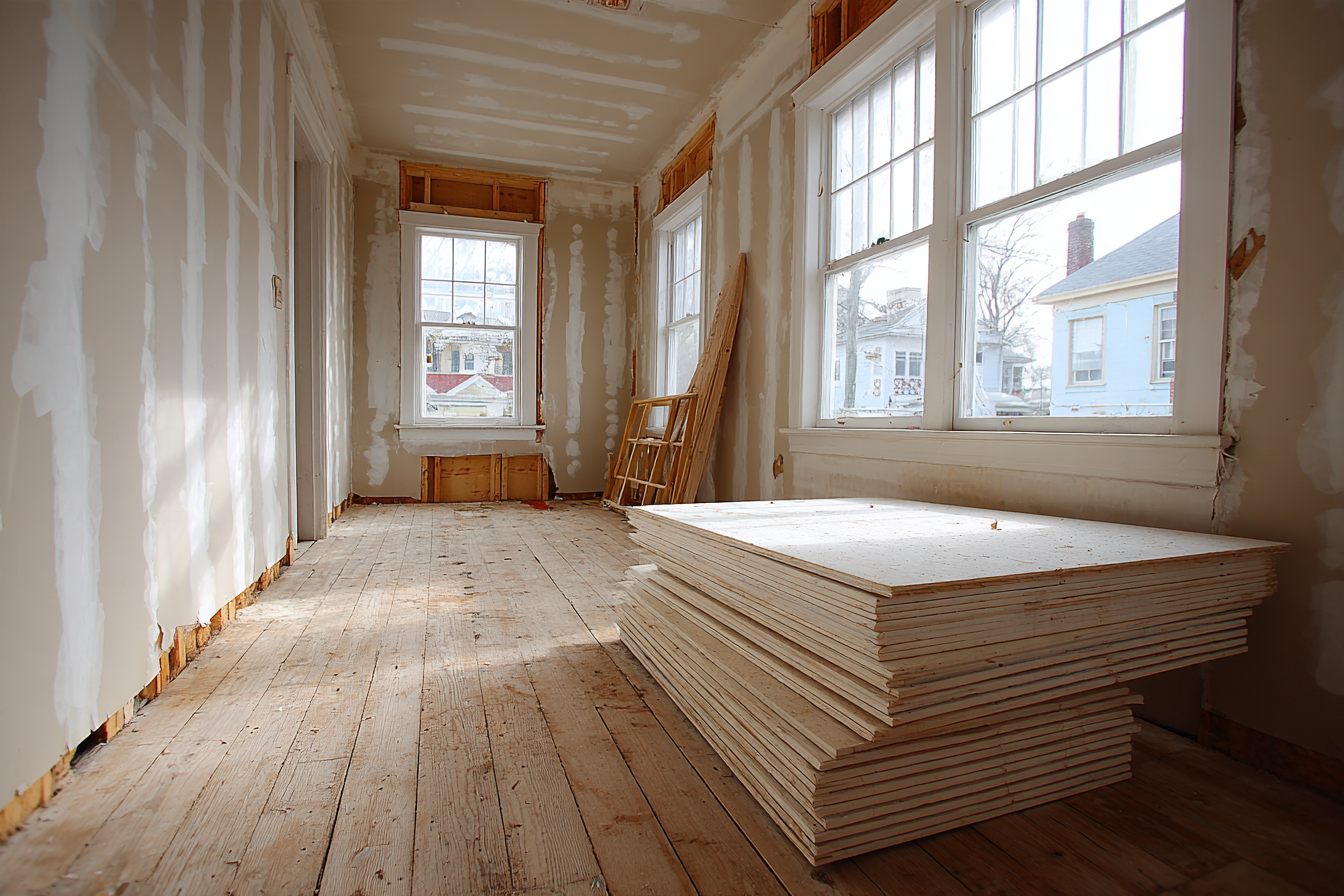
Water damage restoration means taking a house from the day the water got in to the day the last piece of trim goes back on. It includes water removal, mitigation and drying, the removal of materials that can't be saved, and water damage repair: new drywall, insulation, flooring, cabinets and paint. In Renton the cause might be a burst pipe in a Highlands rambler, a water heater in a Benson Hill garage or the Cedar River in a Maplewood basement. The order of the work is the same for all of them.
The word gets used loosely. Some companies say "restoration" and mean only the drying. Others mean drying plus rebuilding. When you call, ask what the company's scope includes so you know whether a second contractor will be involved.
Three Phases, in This Order
- Mitigation. Stop the source, extract standing water, map the moisture and pull out what's soaked beyond saving. The goal is to stop the damage from growing. See water mitigation & drying.
- Drying. Air movers and dehumidifiers run, and readings are taken each visit until the structure matches dry areas of the house.
- Repair. Only after the readings say dry: drywall, insulation, flooring, cabinets, trim and paint go back in.
Skipping ahead is the classic mistake. New drywall hung over a wet stud bay traps moisture, and the stain or the smell comes back months later. A good restoration company won't close a wall until the numbers say it's ready.
What Usually Gets Rebuilt
| Material | What usually happens | Why |
|---|---|---|
| Drywall | Bottom 1–4 ft cut and replaced if soaked or if the water was dirty | Gypsum wicks water upward and loses strength |
| Insulation | Replaced where wet | Fiberglass and cellulose hold water against the framing |
| Carpet pad | Replaced | It soaks like a sponge and dries poorly |
| Carpet | Sometimes dried and relaid after clean water; replaced after flood water | Contamination and delamination |
| Hardwood | Often dried in place; replaced if it buckles or splits | Wood can flatten again with slow, controlled drying |
| Laminate and vinyl plank | Often replaced | Water sits underneath and swells the core or the subfloor |
| Cabinets | Solid wood often saved; particleboard boxes usually replaced | Particleboard swells and doesn't recover |
| Trim and baseboard | Removed for drying, then reinstalled or replaced | Pulled early so air reaches the wall bottom |
Want the whole job handled in order?
Get a Renton restoration company on the line: (425) 584-1660.
Call (425) 584-1660Matching What Was There
A lot of Renton housing has history behind it. The Highlands began as wartime housing for aircraft workers in 1942. Downtown and Renton Hill have homes far older than that, and the plateau subdivisions date from the 1960s through the 1990s. Repairs in those houses aren't always off-the-shelf. Plaster walls, older trim profiles, discontinued flooring and odd framing sizes can mean more time spent matching than replacing.
Ask how the company handles matching before the rebuild starts. A good scope says whether a whole floor is being replaced so it matches, or only the damaged section, and who decides that with the insurer.
One Company or Two?
Some restoration companies do mitigation, drying and the full rebuild. Others do the emergency work and drying, then hand repairs to a general contractor. Neither is wrong, but you should know which you're getting.
- One company: a single scope, a single point of contact and no gap between drying and repair.
- Two companies: sometimes more choice on the rebuild, but you'll be coordinating two schedules and two invoices, and the insurer will see two scopes of work.
Either way, the drying records from the first company are what the repair contractor and the adjuster will rely on. Make sure you get copies of the moisture readings and photos.
Is Water Damage Repair Part of the Same Claim?
Usually, if the claim is covered. The insurer treats mitigation and water damage repair as two parts of one loss, but often looks at them separately: the drying invoice first, then the rebuild scope. Many adjusters want to see the mitigation records before they approve repairs. What your policy covers, and whether the cause was sudden or gradual, is decided by your insurer, not the contractor. See flood vs. homeowners insurance and what a cleanup bill is made of.
When "It Dried on Its Own" Isn't True
Sometimes people skip restoration because the water seemed to disappear. Weeks later, the signs show up:
- baseboards pulling away from the wall or swelling at the joints
- flooring that cups, crowns or sounds hollow
- paint bubbling low on a wall
- a musty smell in a closet or behind furniture
- doors that start to stick in their frames
Any of those after a leak is worth a call. A restoration company can take readings and tell you whether the structure is still wet inside.
Restoration After a Flood vs. After a Leak
The phases are the same, but the scope isn't. After a clean-water leak caught early, a lot of the house dries in place: drywall with small vent holes, hardwood with floor mats, carpet sometimes relaid on new pad. After river water or street runoff, porous materials it touched come out, drywall is cut above the water line and surfaces are cleaned before drying. The rebuild after a flood is usually bigger, and it often involves a different insurer. If you had both in the same winter, ask the company to keep the two areas separate on paper. See flood cleanup.
How You Know the Job Is Finished
A finished restoration has three signs. The final moisture readings match the dry areas of the house, and you have a copy. Every opening made for drying has been closed, and the finishes match or the differences were agreed in writing. And the cause has been dealt with, whether that's a new supply line, a repaired roof or a drainage fix outside, so the same wall doesn't get wet again next winter.
Restoration Around Renton
Valley
- Downtown RentonValley floor
- North Renton & The LandingValley floor
- MaplewoodRiver
- Talbot HillValley edge
- KentWA
- TukwilaWA
- SeaTacWA
Plateau
Lakeshore
Main page: water damage in Renton.