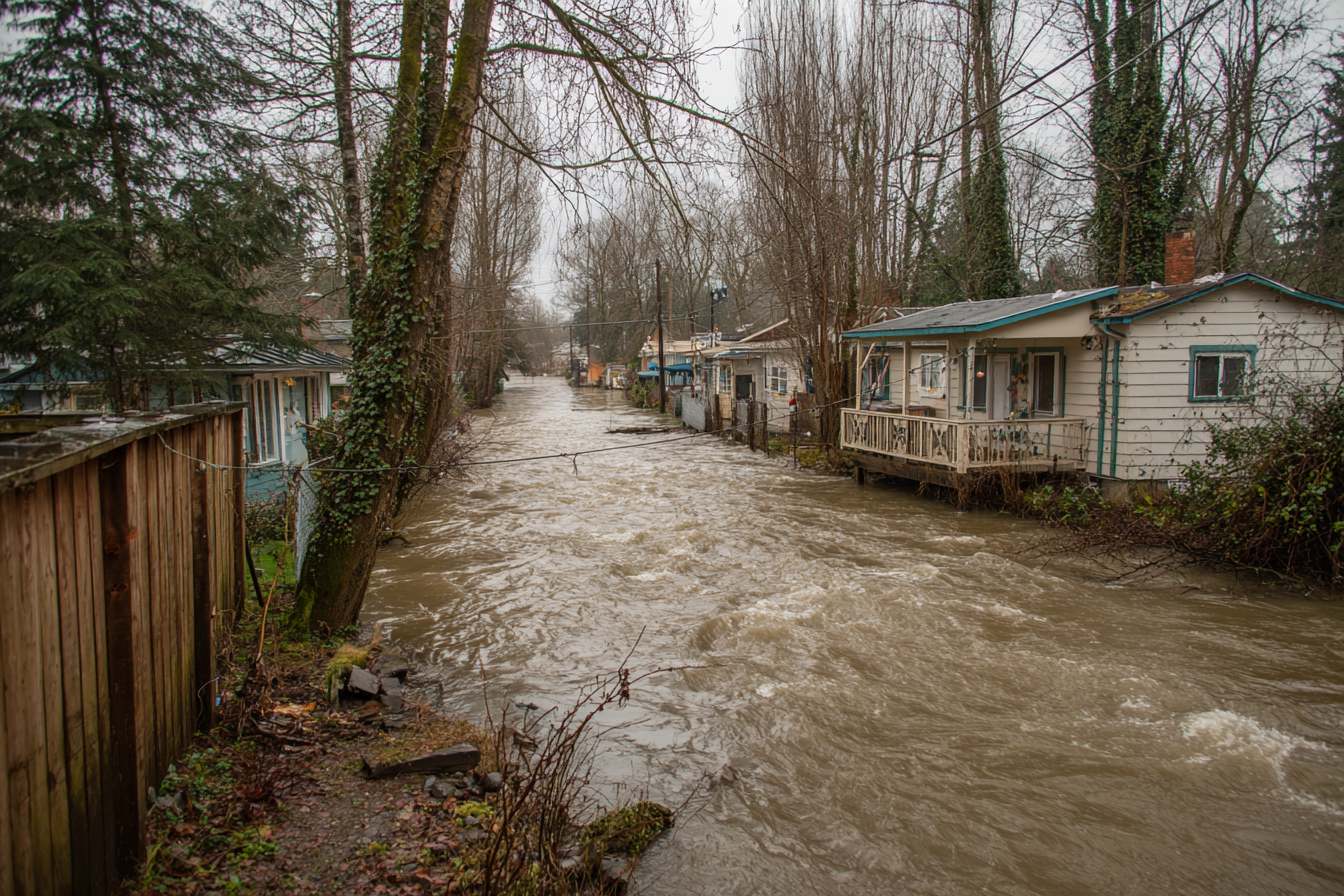
The Cedar River is the reason Renton is where it is, and it's also the city's biggest flood risk. It runs out of the Cascade foothills, past Maple Valley, through the Maplewood neighborhood and downtown, and into the south end of Lake Washington. Most years it stays in its banks. In a long, warm, wet storm it doesn't. This guide covers where it has flooded, how to follow official warnings and what the cleanup looks like when the water goes down.
The Floods Renton Remembers
| Year | What happened |
|---|---|
| 1911 | A Seattle timber dam at Cedar Lake failed, and the river poured into Renton |
| 1990 | A major flood destroyed homes along the river and became the benchmark for later work |
| 1993–1996 | The city dredged the river delta and built a berm by the Maplewood Golf Course |
| December 2025 | An atmospheric river pushed the Cedar to a level local reporting compared with the 1990 record; water reached Maplewood, the Riviera Apartments and SE Jones Road |
The 2025 flood showed what the later work could and couldn't do. Officials have said Renton's river flooding is less severe than it was in 1990. But flood damage still reached homes. In Maplewood, neighbors paid for a load of sand and filled their own bags, and water still came over the road on Jones Road. Sources disagree on whether the crest set a new record. Either way, homes that hadn't flooded in decades took on water.
Why It Floods in Winter
Renton's big floods come from atmospheric rivers: long bands of warm, wet air off the Pacific that park over the Cascades for days. Warm rain falls on snow in the foothills, melts it, and both run off at once into soil that's already saturated from weeks of rain. The Cedar collects all of it on the way down. That's why the dangerous floods come in November, December and January, after the ground is full.
Following Official Warnings
Don't rely on this site or any restoration company for flood timing. Use the official sources:
- City of Renton emergency information, for local closures, sandbag locations and evacuation notices
- King County flood warning, for river gauge readings and flood phases on the Cedar
- National Weather Service, for flood watches and warnings
- Your phone's emergency alerts, if you've opted in
If you live near the river, know your route out and where you'd go before you need it.
When the Water Goes Down
The first day after a flood is when people get hurt. Before you go back in:
- Wait for the all-clear for your street from the city or county.
- Leave the power off in any flooded area until an electrician or the utility says it's safe. If water reached the panel, don't touch it.
- Wear boots and gloves. River water and the mud it leaves are contaminated.
- Photograph everything before anything is moved: the water line on the walls, every room, and damaged belongings.
- Call your insurer to open a claim, and a restoration company to start the cleanup.
What Flood Cleanup Involves
River water is treated as contaminated from the start, so flood cleanup goes further than a pipe leak:
- standing water is pumped out, starting from the lowest point
- carpet, pad, upholstered furniture and mattresses that sat in the water are usually removed
- drywall and insulation are cut away above the water line
- hard surfaces and framing are cleaned and treated
- drying equipment runs until the slab, framing and subfloor read dry
- crawl spaces are pumped, the insulation and vapor barrier replaced, and the ground and framing dried
Expect drying to take longer after a flood than after a leak. Mud, a soaked crawl space and thick concrete all slow it down. More on the work itself: flood cleanup.
The Insurance Catch
Most homeowners policies don't cover river flooding. That takes a separate flood policy, usually through the National Flood Insurance Program, and new NFIP policies generally have a waiting period before they take effect. If the river got into your house, the flood policy is the one to call. If a pipe burst in the same house during the same storm, that part may fall under homeowners insurance. Keep the two causes clearly documented. The full comparison: flood insurance vs. homeowners insurance.
Questions
Is my house in a flood zone?
FEMA flood maps show mapped flood hazard areas, and King County offers its own flood maps. A house outside a mapped zone can still flood. The 2025 water reached places that hadn't flooded in years.
Can I clean up river water myself?
Small amounts on a hard surface, carefully, with protection. Anything that reached carpet, drywall, insulation or a crawl space needs removal and professional drying, because contamination and hidden moisture are the real problem.
How long until I can move back in?
It depends on how high the water got and what it reached. Drying alone can take a week or more after a flood, and repairs follow. The restoration company can give you a realistic picture after its first visit.
Around the River
Homes closest to the river are in Maplewood and downtown Renton, and upstream in Maple Valley.
Flood Insurance vs. Homeowners Insurance in Washington
Which policy usually answers for which kind of water.
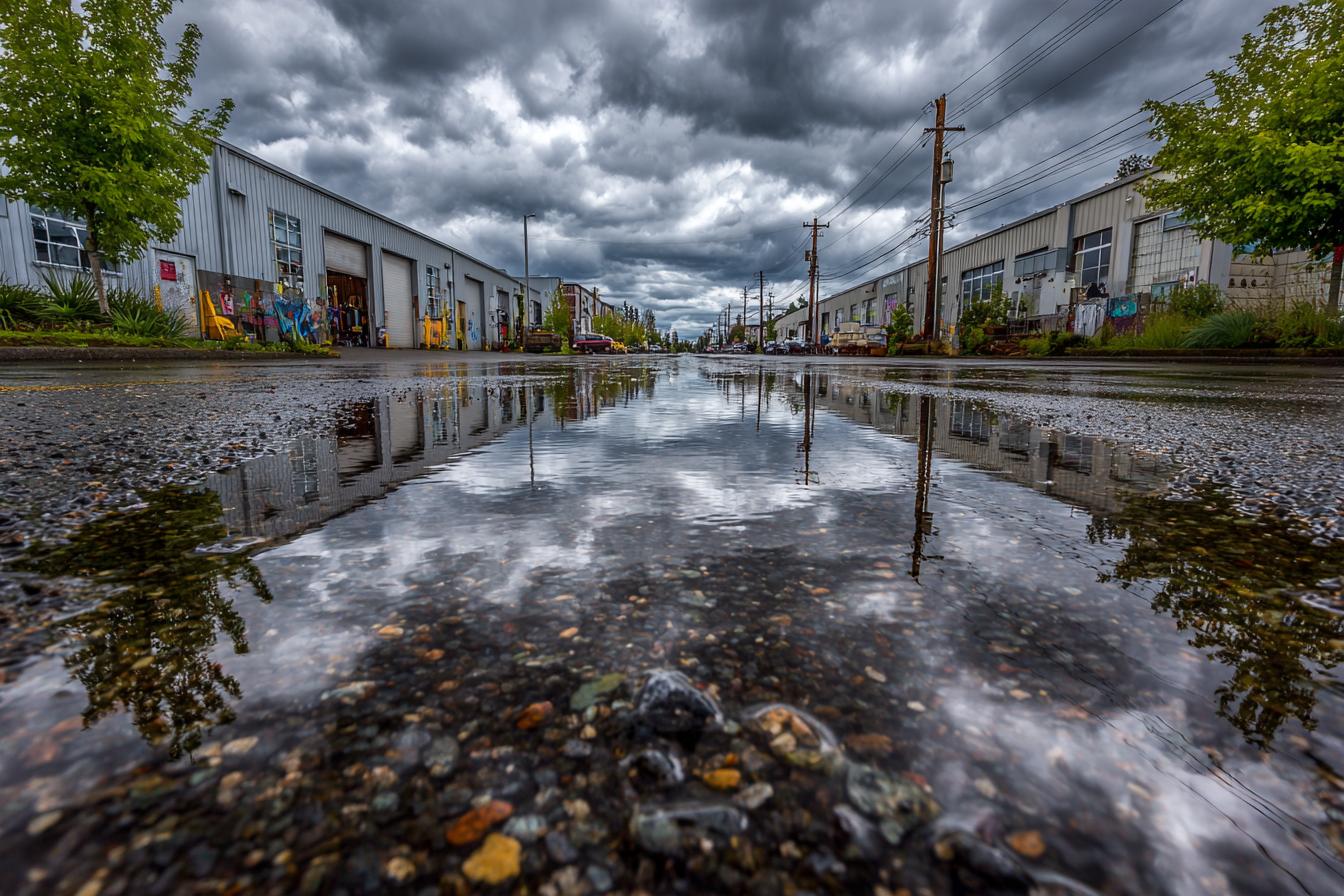
Storm Drains and Street Ponding on the Valley Floor
Why flat ground floods in heavy rain, and how that water ends up indoors.