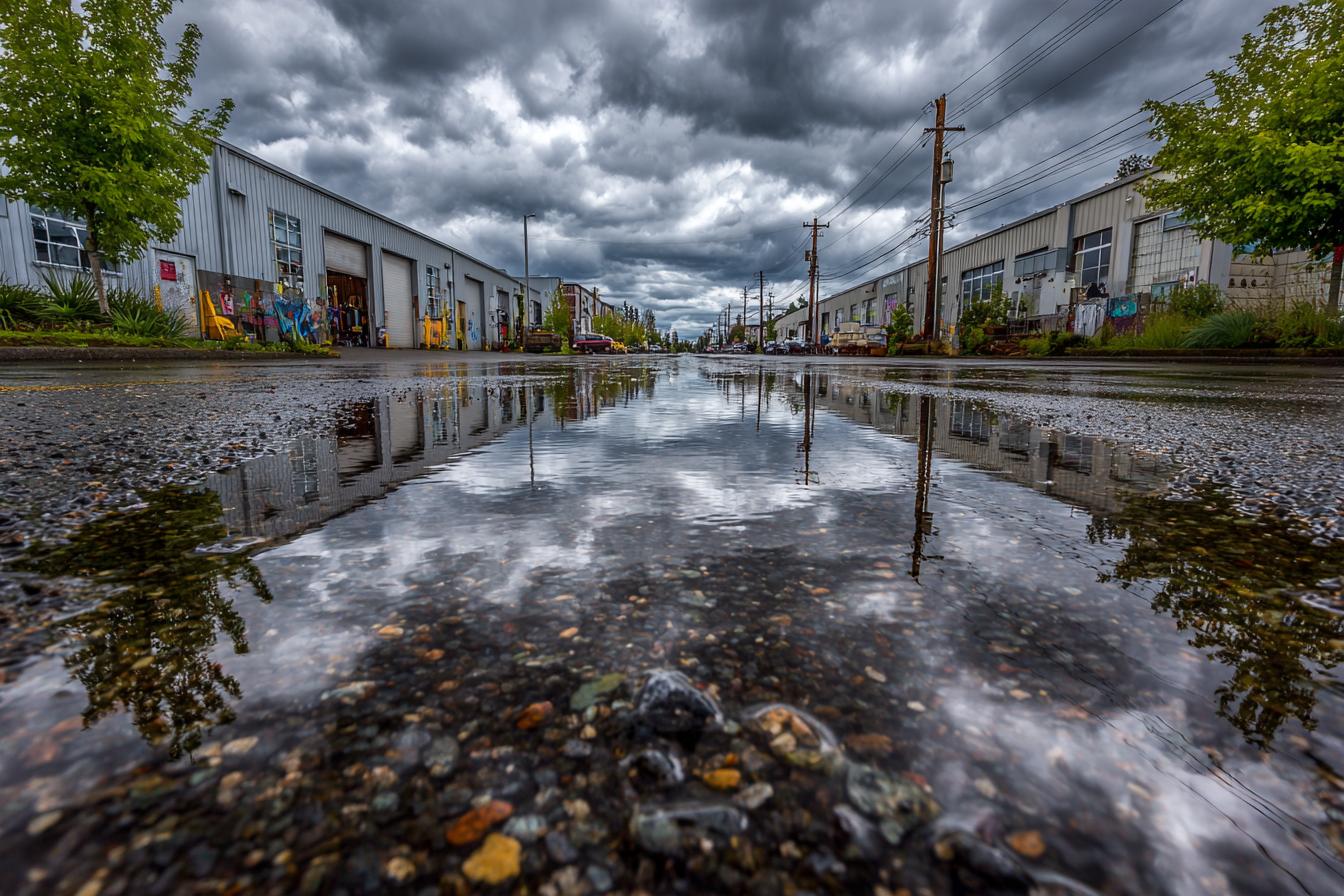
South of downtown, Renton flattens out into the valley it shares with Kent and Tukwila. It's good ground for warehouses, apartments and roads, and poor ground for getting rid of rain fast. In a long storm, storm drains back up, intersections turn into ponds, and water that has nowhere to go runs under garage doors and into ground-floor rooms. This guide explains why it happens and what it means for the buildings beside the water.
Why Flat Ground Floods
Storm drains work by gravity. On a hillside, water runs downhill to the nearest inlet and the pipes carry it away quickly. On a valley floor, the pipes have very little slope, and they empty into creeks that are themselves running high in a storm. When the creek level rises, the outfalls can't drain freely, water backs up the pipes, and the inlets stop taking water. The street becomes a holding pond.
Renton's valley drains to Springbrook Creek and Panther Creek, which run north through the valley toward the Black River and the Green. Several things make ponding worse:
- Long, steady rain. In December 2023, the area had about three weeks of sustained rain, and creek levels stayed high the whole time.
- High creek levels. City staff have pointed out that a beaver dam on Panther Creek raises the water level, which backs up the drains along East Valley Road.
- Aging or undersized pipes. The storm system along East Valley Road between SW 34th and SW 23rd streets has been studied for possible replacement.
- Leaves and debris blocking inlets in fall.
Where It Shows Up
City reports and local news have described recurring problem spots:
| Location | What happens |
|---|---|
| SW 43rd St and Lind Ave SW | Recurring flooding between East Valley Road and Springbrook Creek, affecting Renton and some Kent businesses |
| East Valley Road | Ponding when the drains back up from Panther Creek |
| Low corners and underpasses across the valley | Standing water after long rains |
The city has pursued grants and plans for the Springbrook Creek basin, including an action plan for the creek. Until projects are finished, heavy-rain ponding remains part of life on the valley floor.
How Street Water Gets Inside
Most valley-floor buildings sit on concrete slabs at or just above grade. That makes them easy to build and easy to flood. Water gets in through:
- Garage doors. The bottom seal is rarely watertight, and garages are often the lowest part of a townhome.
- Ground-floor doors and sliders facing a parking lot or street.
- Slab joints and wall bases, where water pushes in under pressure.
- Overwhelmed area drains in patios and window wells.
Once inside, water spreads sideways across the slab, under interior walls and beneath flooring. In apartment buildings, every ground-floor unit along the low side can be affected at once.
Why This Water Is Treated as Contaminated
Street water isn't rainwater anymore by the time it reaches a door. It has run across pavement, parking lots and landscaping, picking up oil, fuel, fertilizer and whatever was in the storm drains. Restoration companies treat it like flood water:
- carpet and pad it touched usually come out
- drywall is cut above the water line
- hard surfaces are cleaned before drying starts
- drying continues until the slab and wall bottoms read dry
It's also usually treated as surface water for insurance, which standard homeowners policies typically exclude. See flood vs. homeowners insurance.
Before the Next Storm
There are things a valley-floor owner or tenant can reasonably do:
- keep the storm inlet in front of the property clear of leaves, if it's safe to reach
- check garage and door seals in the fall
- move valuables off garage and ground-floor floors before a big storm
- know whether your policy includes flood coverage
- for building owners, ask whether door barriers or a site drainage assessment make sense
When Ponding Becomes a Pattern
If the same corner floods every big storm, it's worth reporting. The City of Renton tracks recurring drainage problems, and repeated reports from residents and businesses help a location get studied and funded. For your own building, keep a simple record: dates of ponding, photos, how high the water got and whether it came inside. That record helps the city, it helps you talk to your insurer about flood coverage, and it helps a restoration company plan if the water does get in.
Questions
Is street ponding my landlord's problem or mine?
The building and its cleanup are generally the owner's responsibility. Your belongings are generally yours, covered by your own renters policy if it applies. Tell the manager right away and photograph everything.
Can I just let the slab air-dry?
Concrete holds water for a long time, and flooring laid back over a damp slab can fail. A meter reading tells you when it's actually dry.
On the Valley Floor
This affects downtown Renton, Kent and Tukwila most. The cleanup itself: flood cleanup.
When the Cedar River Rises
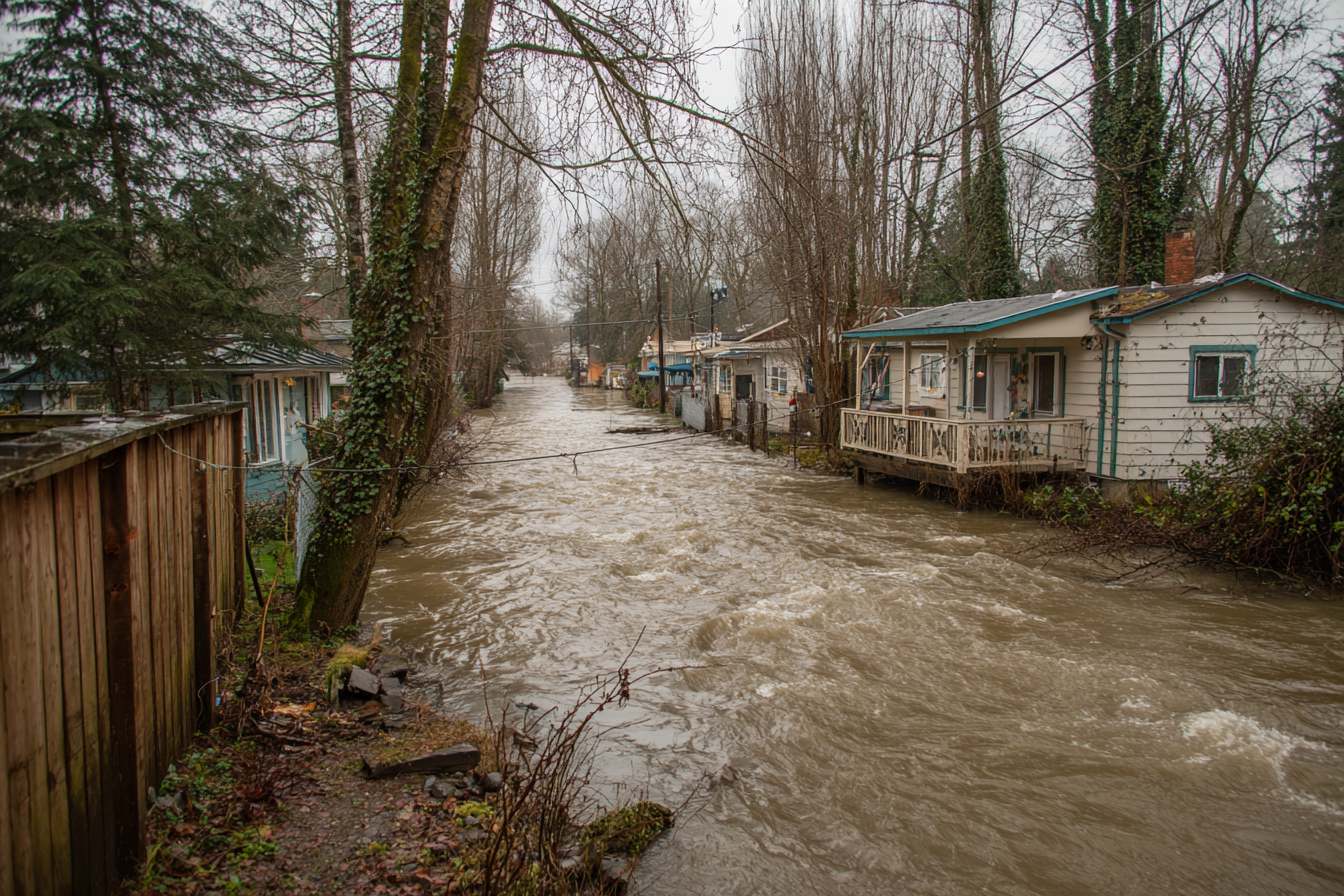
Where Renton's river floods have reached, and what cleanup looks like after the water drops.
Renters and Apartment Leaks: Who Calls Whom
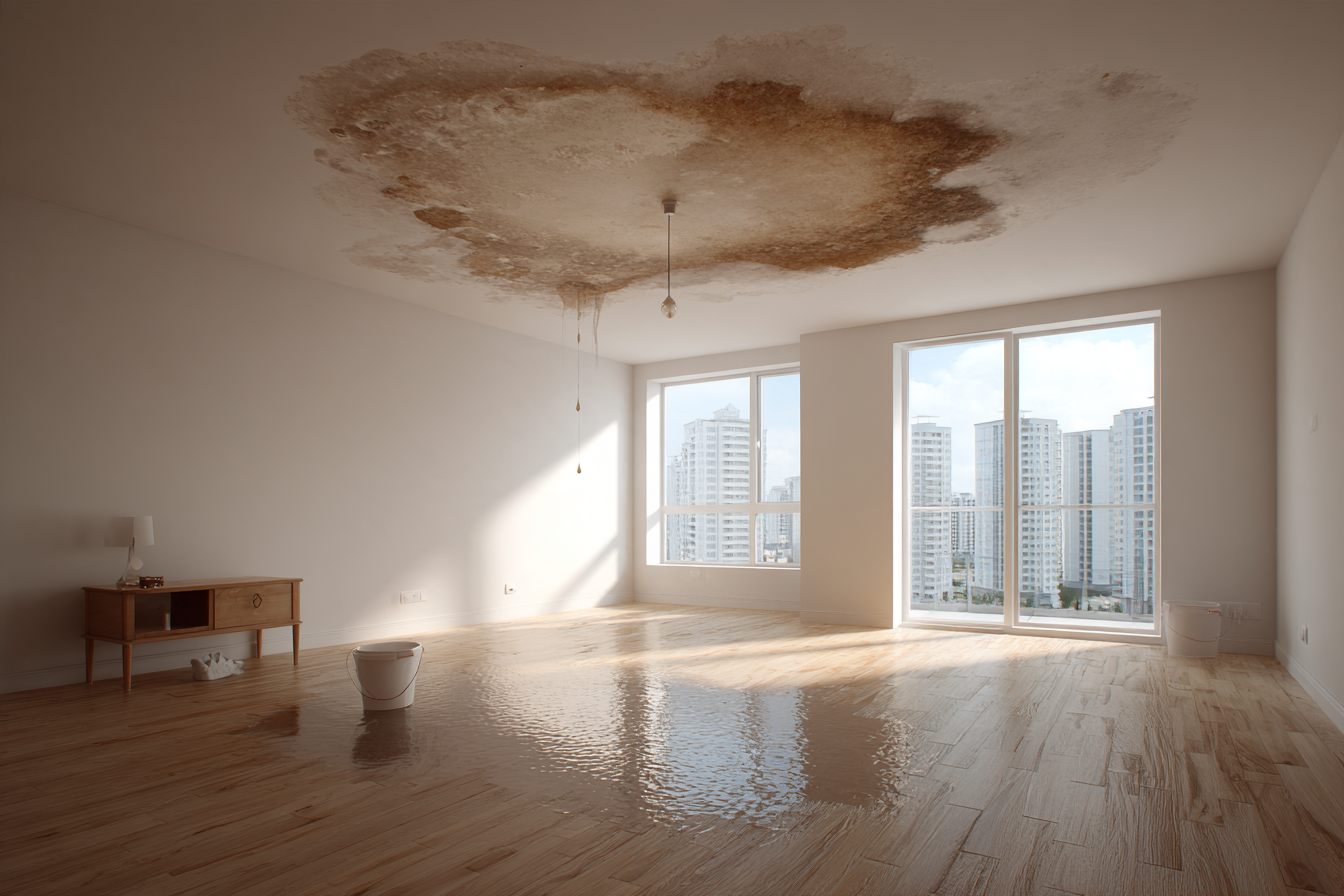
A decision table for tenants, landlords and the unit below.